Surge Security Installation Orange County: Secure Your Electronics
There is no such thing as a mild power surge. It comes quickly, takes a trip on every conductor in your house or structure, and looks for the weakest link in a circuit board. In Orange County, we see the complete mix of surge sources: energy switching occasions, faults on shared transformers in older areas, solar inverter backfeed, and voltage spikes when power is brought back after an interruption. Lightning strikes over the coast or inland foothills matter less here than in the Midwest, but field failures in sensitive equipment tell the story just the exact same. If you have lost a garage door opener, a pool controller, or a TV after a windy night or a fast blackout, you have actually fulfilled a surge.
A well installed surge defense system turns these occasions into a non-issue. Not a maybe, not a band-aid, but a real decrease in danger to your electronics and your downtime. As an Orange County electrical contractor, I have set up and serviced numerous surge protective gadgets, from easy residential panels in Lake Forest to intricate multi-service business gear in Santa Ana. The basics correspond, yet the right choices depend upon your service, your loads, and the rest of your electrical system.
What a surge in fact is
A surge is a short-term overvoltage that lasts from split seconds to milliseconds. It can be a sharp spike or a ringing waveform, and it frequently repeats as equipment tries to reclose or motors kick back. The most typical regional triggers consist of energy recloser operations, faults on a feeder, large motors starting and dropping in a neighboring structure, or harmonics and changing from variable frequency drives and solar inverters. When the power snaps back after a Public Safety Power Shutoff, we frequently record events that surpass 2,000 volts on a nominal 120-volt line for a few microseconds. Those are long enough to punch through insulation on a semiconductor junction.
Sensitive electronics stop working initially due to the fact that their defense tolerances are low. Modern appliances are just computers with relays: refrigerators, dishwashers, heating and cooling control panel. EV supply devices, home office hardware, clever home controllers, and LED chauffeurs all share the very same vulnerability. The cost of a single stopped working board can go beyond an entire home surge setup. That calculus guides most homeowners and center managers we advise.
How surge security works in practice
Surge protective devices, or SPDs, are sacrificial or handled clamps. When the voltage at a panel or outlet exceeds a set threshold, the SPD redirects the energy to ground and back to the source, limiting the peak voltage that your equipment sees. The much better the device and the tighter the setup, the lower the let-through voltage at the secured loads.
Modern SPDs are normally built around MOVs, sometimes with gas discharge tubes or silicon parts in hybrid styles. Search for UL 1449 4th Edition listings. Secret performance markers are the Voltage Defense Score, or VPR, and the small discharge existing, In. VPR informs you, in a laboratory test, the optimum voltage the device will permit throughout a standardized rise. Lower is much better, within the real-world constraints of your system's bonding and conductor length. In is a dependability measure under repeated strikes.
All of this works just in addition to the bond and the circuitry layout enable. A gadget with an excellent specification however a careless 3-foot pigtail, tangled through a crowded panel, can let more voltage through than a mid-range device installed with a brief, straight, tightly twisted lead set. The path to ground must be brief and strong. That is where a certified electrical contractor in Orange County earns their keep.
Where protection belongs: layered, not lonely
No single device can safeguard whatever. An excellent style layers defense at the service or primary circulation point and again at sensitive endpoints. For homes and small companies in the county, the most effective layout is a Type 1 or Type 2 SPD at the main panel or meter, plus point-of-use defense for mission-critical electronics such as network equipment, servers, or medical gadgets. Larger commercial sites typically add SPDs at each distribution panel, specifically those feeding HVAC devices, elevator controls, and lighting panels full of LED drivers.
The National Electrical Code imagines this tiered method. Type 1 devices can be installed on the line side of the service detach. Type 2 devices rest on the load side, typically on a breaker within or surrounding to the panel. Type 3 is point-of-use, the power strip design. In Orange County, meter-based surge devices that clamp at the service entrance are popular where the energy meter socket permits it, but compatibility depends upon the specific meter base and utility rules.
Residential truths in Orange County homes
Most single household homes here have a 100 to 200 amp 120/240 V single-phase service. Numerous older homes in Fullerton, Orange, or Costa Mesa still run 100-amp panels installed decades back, often feeding brand-new loads they were never implied to see. An EV charger installation in Orange County, a heatpump upgrade, or an induction range often pushes a service towards an electrical panel upgrade. If you are currently thinking about a panel replacement in Orange County, that is the ideal moment to add entire home surge protection.
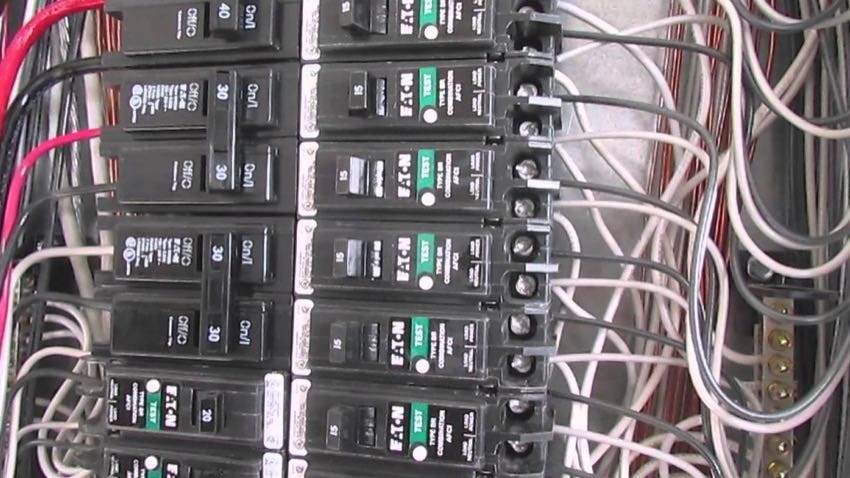
When we add a panel-mounted SPD to a normal 200-amp panel, the device physically lands either in a knockout on the panel can or on a two-pole breaker linked to the bus. The result in the breaker and neutral or ground bar need to be as brief and straight as possible. On a clean panel with open area, this takes under two hours including screening. On a crowded, older panel with backfed breakers and doubtful bonding, we invest more time rerouting and tightening. It is worth every minute.
https://privatebin.net/?eafac8af9dbf6c0f#FWkaWNb1pRbaLraUvrn1chKSSUsAqg5qxvwKmjd8je6qHomeowners often inquire about plug-in protectors. Those belong for network equipment and entertainment centers. They lower high frequency noise and brief spikes right at the outlet. But a point-of-use strip can not dissipate a big occasion that arrives simultaneously on line, neutral, and cable television or Ethernet. It must belong to a plan that includes a correct service-level SPD and bonding of all metal systems entering the structure.
For homes with rooftop solar, pay additional attention to transients from inverters and rapid shutdown gear. A lot of string inverters behave well, yet selections can still introduce switching noise. If the system uses DC optimizers or microinverters, the air conditioner side sees less DC short-term stress, but you still want an SPD on the air conditioning combiner or load center. Energy storage adds its own switches and relays. Throughout commissioning or fault clearing, we see narrow spikes that only a close-coupled SPD will catch.
We see the very same pattern with pool devices. A variable speed pump or an older chlorinator control will fail irregularly in areas with unstable feeders, specifically after storms. Protecting the subpanel at the devices pad makes a measurable distinction. It also avoids an annoyance ground fault from letting a short-term trip through shared conduits back to the main panel.
A fast photo from the field
A Laguna Niguel homeowner called after losing a garage opener, 2 GFCI outlets, and an office UPS in one windy weekend. Their home had a 125-amp panel from the mid-90s, plus a new 40-amp electric lorry charger. The service neutral lug had a minor looseness, and the bonding jumper was undersized. We replaced the lug, remedied the bonding, set up a Type 2 SPD with a 700 V VPR at the panel on a dedicated two-pole breaker with 8-inch lead length, and swapped the workplace rise strip for an industrial point-of-use protector rated for network protection. They have actually been through several outages given that, consisting of a PSPS occasion, without another failure. The repair was not magic. It was sound bonding plus a properly installed SPD, at a total cost under a thousand dollars.
Commercial considerations: more conductors, more courses, higher stakes
Commercial and light industrial sites in the county run 208Y/120 or 480Y/277 three-phase systems. Rises in these systems have more modes: line to line, line to neutral, and line to ground in several permutations. LED lighting drivers on 277 V circuits can be incredibly sensitive. Elevators and large heating and cooling systems both generate and suffer from transients. Many industrial insurance plan require documented surge protection on important infrastructure.
For a little workplace in Irvine with a 208Y/120 V 800-amp service, the ideal strategy consists of a service-entrance SPD with strong N-G defense, an SPD at the 208 V lighting panel feeding recessed lighting and track components, and point-of-use for the server rack. Facilities with 480 V devices need SPDs ranked and set up for high energy faults, with a short-circuit existing ranking that matches offered fault current. In older structures around Santa Ana that have been modernized piecemeal, the weakest link is typically a subpanel with long feeder runs and no local SPD. Including a panel-mounted device at each circulation level stabilizes the system and lowers problem failures.
Restaurants, dental workplaces, and stores in Orange County are loaded with electronic controls. When a rise takes down a POS system or a digital X-ray unit, every hour of downtime expenses real money. A commercial electrician Orange County teams trust will define devices that can be serviced quickly, with clear indication lights or dry contacts that connect into structure tracking. Selecting a leading ranked electrician Orange County services count on means quicker response, better paperwork, and fewer surprises when an inspector stops by.
Device selection that holds up under scrutiny
There are plenty of SPDs on the marketplace, and not all are developed equal. For homes and small business panels, try to find UL 1449 fourth Edition listing, a VPR that matches your system requires, and a nominal discharge current in the 10 to 20 kA range for dependability. Enjoy the Maximum Constant Operating Voltage, or MCOV. If your power frequently floats high, as can happen on lightly packed feeders, a higher MCOV avoids premature wear.
Pay attention to modes of security. On a 120/240 V single-phase service, you desire L-N, L-G, and N-G security. N-G matters when a surge comes in on the neutral or when there is imbalance. On three-phase wye systems, line to neutral and line to ground on all stages, plus neutral to ground, are vital. Delta systems without a neutral need a different configuration.
The short-circuit present rating, SCCR, must match or go beyond the offered fault existing at the point of installation. In business gear, that can quickly be 65 kA or greater. Underrating this number is a code offense and a hazard.
Warranty language looks attractive on package. Linked equipment coverage frequently includes substantial cautions. Most producers need evidence of proper setup, documents of a bonded system, and proof that all entry points for metallic services are protected. Read those terms, then choose the device for its engineering, not the marketing.
Installation norms, code, and permitting in our cities
Orange County jurisdictions typically follow the California Electrical Code with local amendments. Whole house rise devices at the panel often do not need a devoted license if added throughout a like-for-like panel service, however specific cities may request a simple electrical authorization if the device needs a brand-new breaker or significant wiring changes. In brand-new construction and service upgrades, plan on the inspector monitoring SPD mounting, conductor length, and bonding.
A licensed electrician Orange County inspectors know will keep leads short, avoid sharp bends, and land the equipment ground effectively. On meter-socket SPDs, verify utility approval. Southern California Edison has particular requirements for service devices, labeling, and working clearances. If you are preparing a panel replacement Orange County homeowners must collaborate the surge gadget at the same time, so the knockout selection and layout protect the fastest possible connection.
Integrating rise defense with contemporary upgrades
Every electrical upgrade you add to a home increases the worth of excellent rise protection. A brand-new electric automobile battery charger Orange County motorists set up in the garage creates a larger inductive and electronic load. A heat pump or mini split system with inverter-driven compressors includes changing electronics. Smart home wiring and low voltage electrical wiring run side by side with power in remodels. Whole home rewiring in older homes changes knob and tube or breakable NM cable television with contemporary conductors and premises, which improves surge courses and system stability.
On the business side, lighting installation that converts to LED chauffeurs develops a sensitive population of loads. Recessed lighting in workplaces and outside lighting on car park will act much better if fed from panels with SPDs. Generator setup with automated transfer changes presents changing occasions. Tie an SPD to the generator side and the energy side as proper, and validate the grounding scheme for individually obtained systems. If you are adding an EV charging bank to a retail website, include SPD security at the EV distribution panel. Those battery chargers are expensive, and failures bring reputational cost.
If you are calling an electrician near me Orange County search results page after a failure, bring up rise security during the very first walkthrough. An exact same day electrician Orange County locals count on can frequently set up a panel SPD in a single go to if the panel layout is tidy and parts are available. For emergency situation repairs after a surge occasion, a 24 hour electrical contractor Orange County dispatch can stabilize the system over night and schedule a complete solution.
Costs and sensible expectations
For a normal single family home, a quality whole home SPD installed at the primary panel normally lands in the 350 to 900 dollar range, gadget and labor together. The spread originates from the device option, panel availability, and whether the electrical contractor has to remedy grounding or bonding problems. Meter-based gadgets trend higher due to material expense and utility coordination. Adding point-of-use defense for a couple of critical stations may cost another 100 to 250 dollars per location.
Commercial setups differ widely. A service-entrance SPD for a 480Y/277 V service, appropriately ranked and installed with short leads and channel, can run from 1,200 to 4,000 dollars or more, with additional devices at distribution panels averaging 600 to 1,500 dollars each. If the project couple with an electrical assessment Orange County facilities already have set up, the site work is more efficient.
Surge defense is not a cure-all. A direct lightning strike on the structure can exceed the score of any single device, though the best system still decreases damage. Electronic devices can still fail from age or manufacturing defects. However in day-in, day-out operations, a layered SPD system cuts failures drastically. In our own service records over 5 years throughout approximately 400 residential installs, call-backs for surge-related failures dropped to near no after the combination of a panel SPD and targeted point-of-use devices.
Maintenance, life-span, and signs your SPD requires attention
SPDs do not last permanently. They take in energy, and gradually, they degrade. Most quality gadgets have sign lights and, on the industrial side, dry contacts for remote monitoring. In a busy environment with regular sags and switching, intend on a 5 to 10 year life-span for many property devices. After a major surge event, the SPD might do its task and silently retire itself. Part of any Orange County electrical repair see after a failure should consist of checking those lights.
The most basic maintenance fasts and routine. Have your residential electrician Orange County relied on pro or your facility team take a look during regular service. If your panel is buzzing, if breakers feel warm for no reason, if the bonding jumper looks weathered or loose, those are nudges to call your regional electrical contractor Orange County citizens depend on and get the system evaluated.
- Glance at the SPD status lights monthly, particularly after storms or outages.
- Test and tighten panel terminations on a practical schedule, generally every 2 to 3 years in homes and each year in industrial sites.
- Replace any SPD that shows a fault indicator or has actually taken a recognized major hit.
- Keep all entry services bonded at one point - power, cable television, satellite, phone, and low voltage.
- Document installation dates and device designs so replacements are straightforward.
The role of grounding and bonding
Good surge defense rests on excellent grounding and bonding. The best gadget can not work if the grounding electrode system is worn away, loose, or undersized. In Orange County, coastal homes suffer corrosion on clamps and rods. Inland clay soils can shift and break bonds. Newer homes typically share concrete encased electrodes, which are exceptional, but older homes may depend on a single rod and a pipes that has been disrupted by PVC. Before we install an SPD, we verify the grounding electrode conductor size, the clamps, the rod condition, and the main bonding jumper. Remedying deficiencies enhances safety and offers the SPD a low impedance course to send energy back where it came from.
On commercial jobs, we pay additional attention to bonding jumpers between parallel courses, steel structure bonds, and extra electrodes at separate structures. For panelboards feeding long runs to sheds or signs, a local SPD coupled with proper bonding limitations voltage distinctions that can tear through linked gear.
Coordinating with other services and subsystems
Electrical systems do not live alone. Data, CCTV, gain access to control, and audio systems all carry their own rise direct exposure. You do not desire an event traveling in over coax and exiting on the power line through your television, or vice versa. Smart home wiring and low voltage circuitry ought to include inline protectors at entry points, with their grounds tied to the very same electrode system as the power service. That bond avoids ground loops and lowers the risk of differential surges.
Pool devices pads need special attention. Controllers, lights, and pumps all cross over in between line voltage and low voltage. Safeguard the subpanel, bond the devices completely, and think about private protectors for RS-485 or comparable control busses if the maker provides them.
Choosing the right partner for the job
You desire a group that deals with surge defense as a system, not a box to offer. A finest electrician Orange County provider will inquire about your loads, your blackout history, your future prepare for EVs or solar, and your tolerance for downtime. They will examine your panel make and design, the service conductors, the grounding electrode system, and the design opportunities to keep SPD leads brief and straight. They will talk plainly about gadget rankings rather than buzz guarantees. And they will back up the work.
If you are looking for an electrician Orange County CA or an inexpensive electrician Orange County citizens suggest, balance price with depth of knowledge. A very same day electrical expert Orange County can send is terrific in a pinch, yet the long lasting worth originates from a thoughtful design. For businesses, a commercial electrician Orange County groups rely on must furnish submittals, coordinate with facility managers, and supply as-builts. For house owners, a residential electrician Orange County next-door neighbors have actually utilized for years will bring a light touch to finish details, tidy panel work, and useful advice about protecting your most important electronics.
A practical checklist before you set up installation
- Confirm your panel size, brand, and available breaker area with a clear image for your contractor.
- Ask for a UL 1449 4th Edition listed gadget with VPR and SCCR appropriate to your service.
- Verify the condition of your grounding and bonding, and budget plan to remedy issues.
- Decide which endpoints benefit point-of-use protection, like your network rack or media center.
- If preparing an electrical panel upgrade Orange County permit, coordinate surge defense at the same time.
What success looks like
You do not see a working surge defense plan. Your oven control panel does not stop working when the lights flicker. Your network keeps up after energy changing. Your EV charger stays a set-and-forget appliance. In centers, LED motorists delight in a complete life-span, HVAC controllers stop throwing cryptic fault codes, and the upkeep log gets quieter.
We once retrofitted SPDs in a 30-tenant office building in Tustin. Before the job, the property supervisor logged approximately two lighting motorist failures monthly and regular elevator controller missteps after quick blackouts. After installing a service-entrance SPD, adding panel devices at the lighting and mechanical panels, and tightening up the structure bond, the lighting failures dropped to near absolutely no for the next 18 months, and the elevator annoyance journeys stopped entirely. The work paid for itself in avoided service calls long before the very first year ended.
Protecting your electronics is not extravagance. It belongs to running a stable, contemporary electrical system in a county with dense grids, aging pockets of infrastructure, and growing loads from electrification. Whether you are constructing out a retail area in Anaheim, redesigning a mid-century home in Orange, or planning an EV hub in Irvine, bring rise defense into the conversation early. A regional electrical contractor Orange County crew that understands the terrain will design, set up, and maintain an option that keeps your equipment alive and your day undisturbed.